Hair Transplant
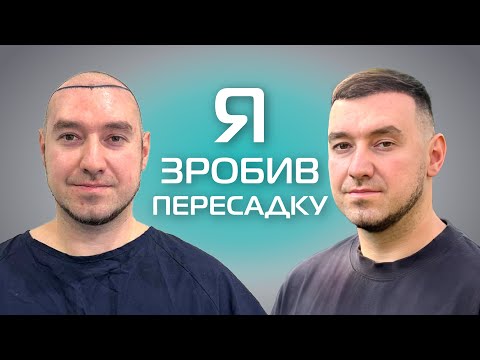
Hair Transplant Results: What to Expect | Video
Briefly about the video
Hair transplantation restores hair in areas affected by thinning or baldness by relocating the patient's own hair follicles. The outcome depends on several factors, including donor hair quality, graft distribution, hairline design, and individual growth characteristics.
This video presents a hair transplant result and highlights the visible changes that can be assessed after the procedure. Key considerations include hair density, a natural-looking hairline, and the even distribution of transplanted hair.
Key takeaways
- Hair transplantation involves relocating the patient's own hair follicles to areas affected by thinning or baldness.
- Natural-looking results depend on hairline planning, graft placement, and hair growth direction.
- Hair density develops gradually as transplanted follicles produce new hair.
- Final results are commonly assessed around 12 months after the procedure, although individual timelines vary.
- A medical consultation helps assess donor hair availability and establish realistic expectations.
Video Highlights
Frequently asked questions about this procedure
What Factors Affect Hair Transplant Results?
Results depend on the extent of hair loss, donor hair quality, the number of transplanted grafts, the technique used, and individual growth characteristics. Hairline planning and following postoperative care instructions are also important.
When Do Hair Transplant Results Become Visible?
Hair growth develops gradually. Initial changes typically become noticeable within a few months. The hair continues to grow and mature, and results are commonly assessed around 12 months after the procedure. Some patients may need longer to see the full outcome.
Why Does Transplanted Hair Sometimes Fall Out After the Procedure?
Some transplanted hair shafts may shed during the first few weeks after the procedure. This is often referred to as shock loss. The follicles may remain in the skin and subsequently produce new hair. If shedding is accompanied by significant inflammation or unusual symptoms, a medical professional should assess the area.
What Makes a Transplanted Hairline Look Natural?
Hairline design takes into account facial proportions, the patient's age, the original hairline, hair characteristics, and the angle and direction of growth. Appropriate graft distribution also contributes to a balanced, natural-looking appearance.
Are Hair Transplant Results Permanent?
Transplanted follicles often retain the characteristics of the donor area, but this does not mean the overall appearance will remain unchanged throughout life. Non-transplanted hair may continue to thin, so long-term results also depend on the progression of hair loss.